Not another beauty brand.
Wolf Tribe was built on a simple observation:
the beauty industry had become very good at selling aspiration and very bad at delivering it.
Wolf Tribe exists to close that gap.
Why Wolf Tribe Exists

The gap between aspiration and delivery.
The formulas were safe. The packaging was beautiful. The brand stories were polished. But somewhere between the lab and the shelf, the connection to real women had been lost.
Wolf Tribe exists to close that gap. Not a brand built around miracle claims and manufactured aspiration.
Built around proof, community, and a different kind of beauty intelligence. Independent by design. Premium without being inaccessible.
Wolf Tribe The Name
The naming lesson
What makes us relevant.
Cultural reference
Industry provocation
Personal connection
Unexpected storytelling
Contradiction
Cultural commentary
A great brand name doesn't need to explain the product. It needs to create a world, provoke curiosity and give people something to believe in.
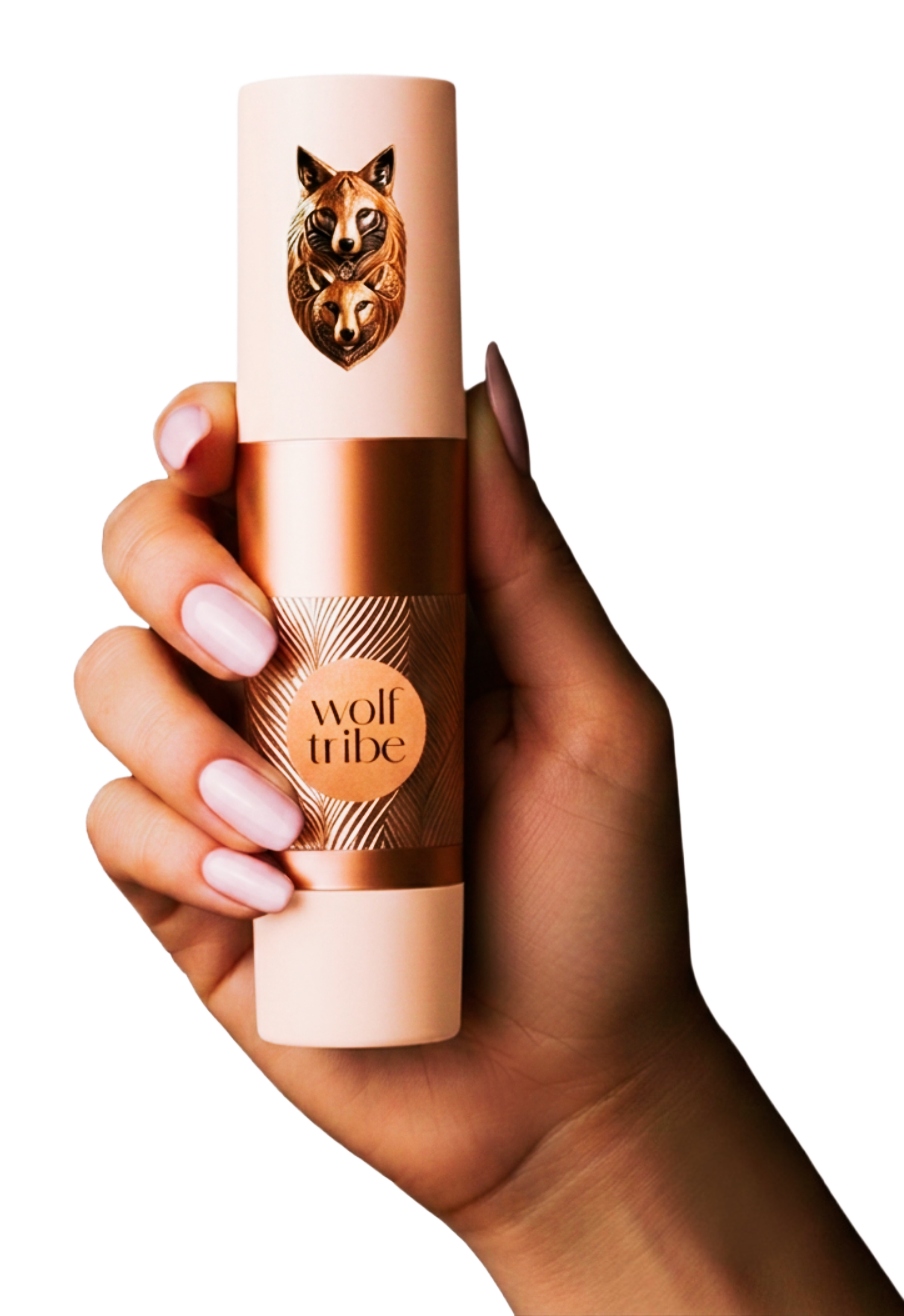
The wolf isn't decoration. It's direction.
Wolves thrive in packs. Their strength comes from belonging, protecting one another, and moving together. For women, it's about understanding competition. This is primordial. It's about cooperation, not competition.
The naming philosophy carries through the entire product range. Nothing is named for what it does. Everything is named for what it means. Because women who know what they want don't need a label to spell it out.

❋
The Consumer: Built for Zara.
The Wolf Tribe Woman. 24 to 52.
She reads the ingredient list. She knows the difference between hyaluronic acid and a hydrating marketing claim.
She's done with brands that talk at her. She wants to belong to something that genuinely gets her.
She's not looking for a skincare routine. She's looking for a ritual.
She's independent, instinct-driven, and fiercely loyal to brands that earn it rather than buy it.
Wolf Tribe was built for her.
Why K-Beauty
A technical choice. Not a trend.
Korean manufacturing isn't a positioning play for Wolf Tribe. It's a technical decision. MESOPHARM operates at a formulation standard that most Western brands simply can't access. Higher active concentrations. More advanced delivery systems. Rigorous quality control at every stage.
Wolf Tribe wraps that clinical Korean performance in a brand identity built for Western and global markets. Legible, premium, and deeply human.
Think of it the way people think about Dyson. They buy it because it works. The manufacturing is the performance underwrite. The brand is the relationship.
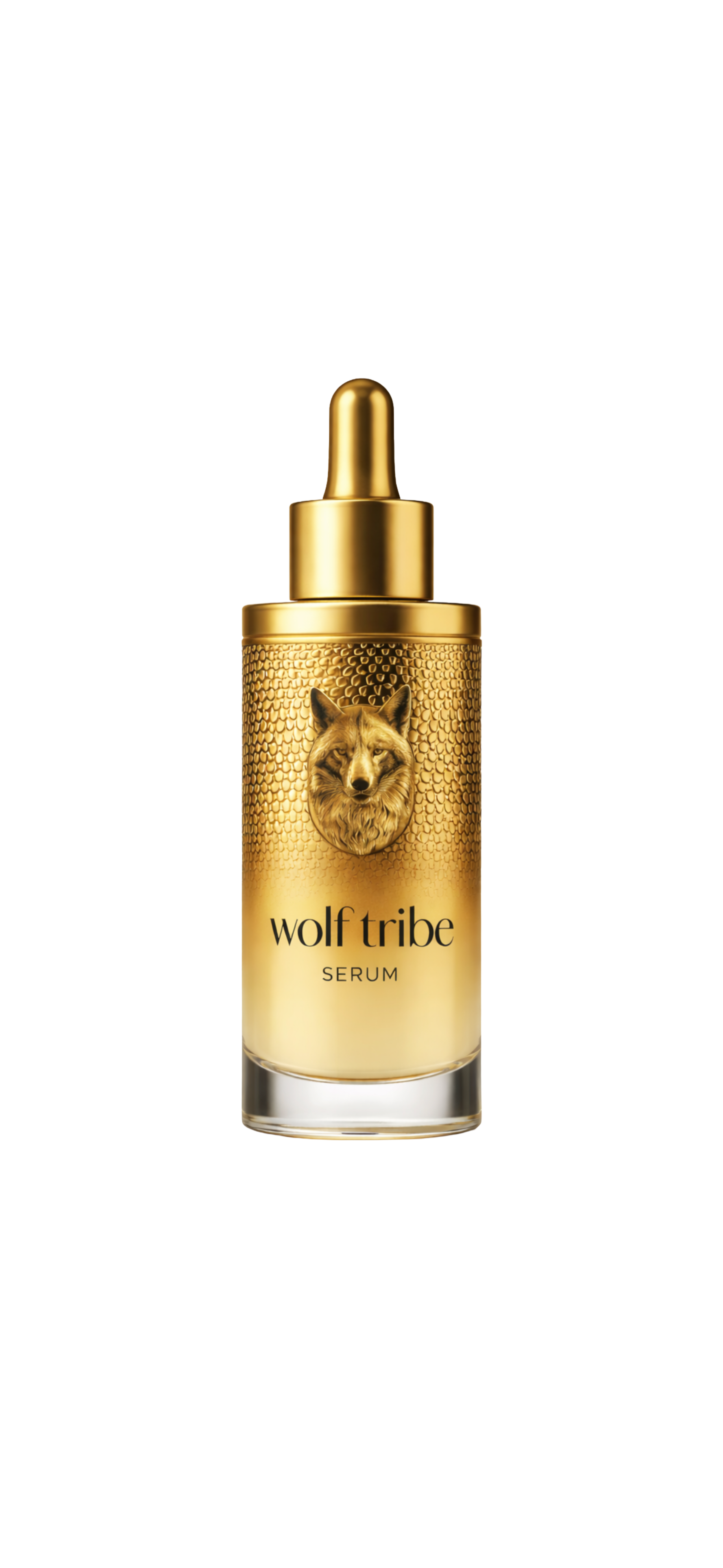
Higher Active Concentrations
Clinical-grade actives at concentrations Western contract manufacturers rarely match.
Advanced Delivery Systems
Formulation technology that gets actives where they need to go. Not just on the surface.
Rigorous QC Standards
Manufacturing discipline that protects brand equity at scale, not just at launch.
"Built the identity before we built distribution."
Brands that shaped our thinking.
-
Named after the ancient Greek storyteller and fabulist, Aesop. The name evokes intelligence, storytelling, culture and timeless wisdom, deliberately distancing the brand from conventional beauty marketing.
-
A deliberately provocative name challenging an industry built on inflated claims, complicated language and premium pricing. It represents honesty, transparency, simplicity and effective ingredients without the hype.
-
Named after founder Hailey Bieber's middle name. Personal, understated and effortlessly memorable. A simple name that creates an intimate connection between founder, brand and consumer.
-
Inspired by the African folklore of elephants becoming intoxicated after eating fermented marula fruit. Unexpected, playful and distinctive, the name deliberately breaks away from traditional beauty conventions.
-
A deliberate contradiction between two opposing ideas. 'Gentle' represents humility and wearability; 'Monster' represents individuality, boldness and creative expression. The tension becomes the brand's identity.
-
Named after the social pressure to measure our success against others through possessions, appearance and status. An intentionally provocative name challenging consumer culture and redefining what really matters.